Cairo in summer: what to expect June to August
Is Cairo too hot to visit in summer?
Cairo summers (June-August) regularly go past 35°C in the afternoon, so outdoor sites are best done at opening time. It is workable if you plan around the heat and drink only bottled water, but it is not the season for a packed, all-day itinerary.
What June to August actually feels like
Cairo’s summer is dry heat rather than humid heat, which makes it more bearable than it sounds on paper, but the numbers are still the numbers. From June through August, afternoon temperatures regularly climb past 35°C, and there is very little cloud cover to soften it. If you have read Cairo in winter: the best season to visit, explained for the contrast, the short version is this: winter is the comfortable season, summer is the one you manage rather than enjoy without effort.
This page is not here to talk you out of a summer trip. Plenty of people visit Cairo and Giza in July and have a good time. It is here to set expectations so you are not caught out by an afternoon at the Giza plateau with no shade, no plan, and a full itinerary still ahead of you.
One surprise for first-time summer visitors is how deceptive dry heat can be. Because there is little humidity, the air does not feel oppressive the way it can in tropical destinations, and it is easy to underestimate how much fluid and sun protection you are actually losing over a few hours outdoors. Sunburn and mild dehydration are the two most common complaints from summer travellers, not heatstroke itself, and both are avoidable with basic precautions rather than avoiding the season outright.
For a month-by-month breakdown of what to expect across the year, see Cairo weather by month: when to visit.
Start early or not at all
The single most useful adjustment for a summer visit is timing. The pyramids, Saqqara, and most open-air sites are far more manageable in the first hour or two after opening than at midday. Heat builds quickly through the morning, and by early afternoon the difference between a 9am visit and a 1pm visit is significant.
Building your day around an early start also has a practical side benefit: sites are quieter before the tour buses arrive, so you are not competing with the same heat and the same crowds at once. If you are weighing a guided visit against doing it yourself, Giza pyramids tours: visiting Khufu, Khafre and Menkaure and How to get to the Giza pyramids both cover early-morning options.
Many outdoor sites do not get meaningfully cooler until close to closing time, so a second visit slot in late afternoon can work almost as well as the early-morning one if mornings do not suit your schedule. The middle of the day, roughly from noon to 3pm, is the stretch to protect regardless of which end of the day you build around; it is the one window where an air-conditioned break is not optional.
Plan indoor or shaded time for the middle of the day. The Grand Egyptian Museum, the Egyptian Museum at Tahrir, and the covered sections of Khan el-Khalili all work as a midday retreat between outdoor stops. A private driver for the day, discussed in Hiring a private driver in Cairo, makes it easier to move between air-conditioned stretches without waiting around outside.
Traffic doesn’t take a summer break
It is tempting to assume that emptier streets in the heat mean faster transfers. They don’t. Cairo traffic stays dense through the day regardless of season or temperature, and the drive between central Cairo and the Giza plateau still runs 45 to 90 minutes depending on the route and time of day. A transfer from the airport to a Giza hotel is still 60 to 90 minutes.
Summer heat does not compress this, and if anything it makes sitting in traffic less pleasant, since a stalled car with the windows down is not where you want to spend an hour at 38°C. Budget the same travel windows you would at any time of year, and read Cairo traffic and realistic travel times before you build a day that stacks more than two or three stops.
If you are relying on ride-hailing rather than a private driver, cars with working air conditioning are the norm, but confirm your pickup point clearly since summer heat makes standing around waiting on the wrong corner a genuinely unpleasant wait. See Cairo metro guide if you want an air-conditioned alternative for some central Cairo legs, though it does not reach Giza.
Arriving and getting around in the heat
Cairo International Airport’s terminals are air-conditioned, but the walk across the tarmac to a bus gate, or the wait for a taxi or ride-hail pickup outside arrivals, can be a genuinely hot first impression in July or August. If you are being met by a private driver, confirm a clear, shaded pickup point rather than standing at the general curb, and keep a bottle of water in your bag before you land rather than assuming you will find one quickly on the other side of customs.
The same logic applies at the end of a day trip: waiting outside a site’s exit gate for a car to arrive is one of the least comfortable parts of a summer itinerary, more so than the sightseeing itself. Building a few minutes of slack into pickup times, and choosing a shaded meeting point when one exists, removes most of that discomfort.
Water, hydration and the bottled-only rule
This applies year-round, but it matters more in summer simply because you will be drinking more. Tap water is not the source to rely on in Cairo at any time of year; bottled water is the standard, and it is cheap and available everywhere from hotels to street kiosks.
In summer, carry more than you think you need. A morning at Giza or Saqqara with no shade will use up a bottle faster than you expect. Hotels typically provide bottled water in rooms, and most tour vehicles carry it as well, but do not count on that being enough for a full day outdoors. For a fuller rundown of food and water precautions, see Food and water safety in Cairo.
Light, breathable clothing that still covers shoulders and knees works best, both for comfort and for the dress expectations at mosques and churches. What to wear in Cairo has more detail on that balance.
Sun, heat and knowing your limits
Sunburn and mild dehydration, not heatstroke, are the two complaints that come up most often from summer visitors, and both are avoidable with ordinary precautions rather than a reason to stay away. A wide-brimmed hat, sunscreen reapplied through the day, and sunglasses matter as much as water does, particularly at open sites like Giza and Saqqara where there is almost no shade structure to rely on.
Because Cairo’s summer heat is dry rather than humid, it is easy to underestimate how much you are sweating, since it evaporates quickly rather than leaving you visibly damp. The early warning signs of overheating are often mild: unusual tiredness, a dull headache, or losing interest in the next stop on the itinerary faster than usual. Treat any of these as a cue to find shade and drink water immediately rather than pushing on to finish the plan. Guided group tours generally build in these pauses without you having to ask; on a self-guided day, you have to plan them in deliberately.
Electrolyte sachets or tablets, sold in most Cairo pharmacies, are worth carrying alongside bottled water if you are spending a full day outdoors, since water alone does not replace the salt lost through sweating in that kind of heat. Hotels with a pool are a genuine asset in summer for exactly this reason: a midday swim does more to reset a hot morning than sitting in an air-conditioned lobby.
Indoor and shaded options when the heat wins
A realistic summer itinerary alternates outdoor mornings with indoor or shaded afternoons rather than trying to push through a full day of open-air sightseeing. Museums are the obvious fit, and Cairo has two major ones worth building an afternoon around: the collection at the Grand Egyptian Museum and the older halls at the Egyptian Museum on Tahrir. Ticketing and timing for both, along with other major sites, are covered in Cairo sightseeing tickets explained.
Evenings are genuinely pleasant in summer, once the sun is down, which makes them worth using for anything you would otherwise squeeze into a hot afternoon. A sunset felucca ride or a dinner cruise on the Nile is a reasonable way to spend a summer evening without fighting the heat, and it moves the water-time to the part of the day when it works best. Details on both options are in Nile felucca and dinner cruises in Cairo.
An evening out is also a good way to see a different side of the city. A guided evening tour that takes in illuminated Cairo landmarks after dark avoids the worst of the daytime heat entirely, and covers ground that a daytime itinerary would leave out.
Food is another area where timing helps. A midday sit-down meal in an air-conditioned restaurant breaks up the day naturally, and a guided walking tour through Cairo’s food stalls and neighbourhoods can be scheduled for a cooler morning or evening slot rather than the hottest hours. If you would rather cook than just eat, a hands-on class covering Egyptian dishes is entirely indoors and works at any hour of the day. For more on what to try while you’re at it, see Egyptian food to try in Cairo.
If you want to cover distance without walking in direct sun for long stretches, a tuk tuk tour through Cairo’s streets keeps you moving with a breeze rather than on foot in full heat, and it can be timed for the cooler edges of the day.
Does the heat rule anything out completely
Nothing on the standard Cairo and Giza itinerary becomes off-limits in summer, but a few adjustments are worth planning around rather than discovering on the day. A one-day visit built around Giza, Saqqara, and central Cairo in the same trip, as outlined in One day in Cairo: pyramids only, or pyramids plus city, is more demanding in July heat than in December, so build in more downtime between stops than the itinerary might otherwise suggest.
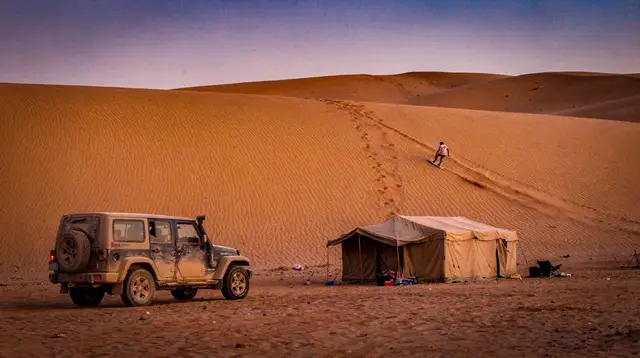
Desert excursions further afield, such as overnight trips to the White Desert, are still run in summer, but the exposed daytime heat there is more intense than in Cairo itself, with even less shade available. If a multi-day desert trip is part of your plans, weigh the season carefully rather than assuming Cairo’s heat and desert heat are the same experience.
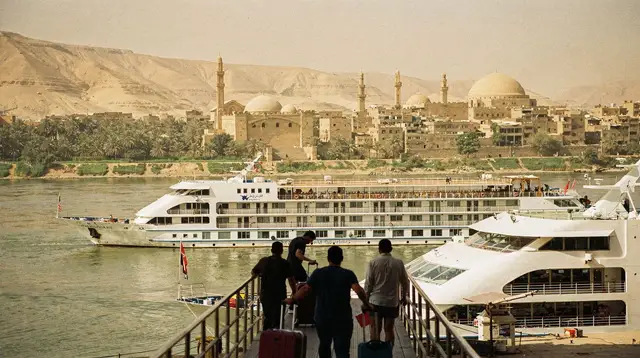
Multi-day Nile cruises between Luxor and Aswan run through summer as well, and cabins and lounges are air-conditioned, but shore excursions to temples along the way are exposed in exactly the same way Giza and Saqqara are. If a cruise is part of a longer trip, expect the same early-start pattern to apply at each stop rather than assuming the boat itself solves the heat problem.
Should you go at all in summer
There are real reasons people choose summer anyway: airfares and hotel rates tend to be lower, sites are less crowded outside of local holiday periods, and if your travel dates are fixed by school holidays or work, summer may simply be the window you have. None of that is a problem as long as the itinerary respects the heat rather than ignoring it.
What summer does not offer is the cooler comfort of Cairo’s winter season, when daytime temperatures sit closer to 20°C and evenings are genuinely cool. If your travel dates are flexible and comfortable weather is the priority, the shoulder months either side of summer, or winter itself, are the easier choice. Cairo in winter: the best season to visit, explained covers that end of the calendar in full, including why it’s considered the stronger season for sightseeing.
If your dates fall during Ramadan, note that opening hours at shops, restaurants, and some sites shift during that period, with quieter daytimes and livelier evenings; check Visiting Cairo during Ramadan for what that means for planning, since this page does not cover exact dates.
For travellers who want to see more of what a hot-weather trip can still deliver, an off-the-usual-path tour that steers away from the most exposed midday stops is worth considering as an alternative to a standard full-day itinerary.
Cairo summer travel: frequently asked questions
How hot does Cairo get in summer?
Afternoons from June through August are often above 35°C, with little relief until after sunset. Mornings are the only genuinely comfortable window outdoors.
What time should I visit the pyramids in summer?
As close to opening as you can manage. The Giza plateau has almost no shade, and the heat builds quickly once the sun is fully up.
Does the heat make Cairo traffic any lighter?
No. Traffic stays dense through the day regardless of temperature, so a transfer between central Cairo and Giza still needs 45 to 90 minutes.
Can I drink tap water in Cairo during summer?
Stick to bottled water year-round, including in summer when you will be drinking more of it. Tap water is not the recommended source at any time of year.
Are nights cooler in Cairo in summer?
Not by much. Unlike the winter months, summer nights stay warm, so do not plan on a cool evening as relief from a hot afternoon.
Is summer a bad time to book a Nile cruise or felucca ride?
Evening water outings work reasonably well, since you are moving and out of direct sun by then, but daytime river time is more comfortable earlier in the year.
Does Ramadan affect a summer trip to Cairo?
If your dates overlap with Ramadan, expect shifted opening hours at shops and sites and quieter days followed by busier evenings, though exact dates aren’t fixed here since they shift each year.
Is Cairo suitable for young children in summer?
Summer heat is harder on young children than adults, since they dehydrate and overheat faster. If you’re travelling with kids in July or August, keep outdoor stretches shorter than you would for adults, prioritise shaded or indoor stops in the middle of the day, and carry more water than seems necessary.
Is Cairo cheaper to visit in summer?
Airfares and hotel rates are generally lower in the June to August window than in the cooler peak months, since fewer travellers choose to visit then. That price gap is one of the few genuine upsides of the season, alongside thinner crowds at major sites outside local holidays.
Best season for Cairo and Egypt tours on GetYourGuide
Verified deep-linked GetYourGuide tours. Book through these links and we earn a small commission at no cost to you.
GetYourGuide does not provide a product photo for this activity — the image shows the meeting point, photographed by us.