Koshari: Cairo's comfort food, and why it matters
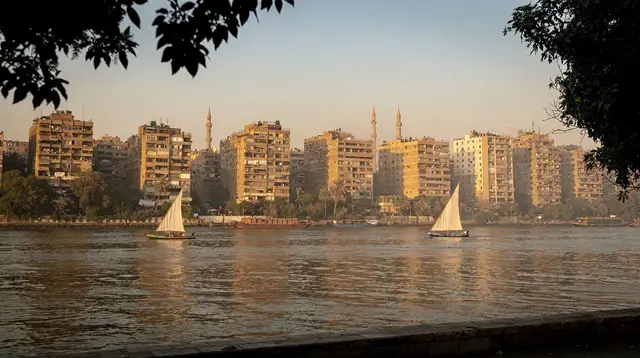
I did not plan to write about a single dish. I went to Cairo thinking about pyramids, museums and traffic, and it was koshari that ended up in more of my notes than any monument. Ask a Cairene what to eat and koshari comes up before anything else, and after a week of eating my way around downtown and Islamic Cairo, I understood why. It is not fancy. It is not photogenic in the way a felucca sunset is. But it tells you something honest about how the city actually feeds itself.
What koshari actually is
Koshari is a layered bowl: rice, brown lentils, macaroni and chickpeas, topped with a spiced tomato sauce and a heap of deeply fried onions. You mix it yourself, add a garlic-vinegar sauce if you want it, and add chili sauce (shatta) on the side if you want heat. That is the whole dish. No meat, no seafood, no imported ingredient you cannot find on any street corner. It is filling in the specific way carb-on-carb-on-carb is filling, and it costs a fraction of what a tourist-menu meal costs anywhere near Tahrir Square.
What struck me is how unpretentious the whole thing is. Nobody is trying to sell you an experience. A koshari counter is built around speed and volume: someone assembles the bowl in under a minute, you eat standing or at a shared table, and the next person is already ordering. If you have read anything about scams to avoid in Cairo, a koshari cart is close to scam-proof by comparison — the price is usually posted, the product is the same for everyone, and there is no upsell.
Why it works as a first meal in the city
I ate my first koshari on day one, before I had figured out taxis, before I had figured out the metro, before I understood how long it actually takes to get anywhere in Cairo traffic. That timing turned out to be right. Koshari does not ask anything of you. You do not need reservations, you do not need to know Arabic beyond pointing, and you do not need to have researched a neighbourhood in advance the way you would for, say, a Khan el-Khalili shopping trip.
It also sets a baseline for what a fair local price looks like, which matters once you start comparing it to what some restaurants near major sites charge. If you are trying to get oriented on money before you land, it is worth reading up on cash, cards and ATMs in Cairo so the first koshari purchase does not turn into a hunt for change.
Cash, baksheesh, and the practical side
This is the part I would tell a friend before anything else: bring small notes. Egypt runs on the Egyptian pound, not the dollar or the euro, and a street vendor is not going to break a large bill for a bowl of koshari. I kept a stash of small denominations specifically for street food and short taxi rides, separate from the larger notes I used at hotels. It made every small transaction faster and less awkward.
Tipping is part of the culture here, generally called baksheesh, and it extends to food service more than most visitors expect. At a sit-down koshari chain with table service, a small tip is normal. At a stand-up cart where you pay and walk off with your bowl, it is less expected but never unwelcome. Nobody is going to chase you down over it either way; it is closer to a courtesy than an obligation. I found it useful to read a proper explainer on baksheesh and tipping in Egypt before I started handing out change randomly, since the expectations shift depending on the setting.
The one rule that matters more than the food
Do not drink the tap water. It is the single most repeated piece of advice for eating out in Cairo, and it applies just as much to a koshari counter as to anywhere else. I drank bottled water throughout the trip and never thought twice about it, and I would treat any ice or garnish the same way I treat tap water: with a default of no. If you want the fuller picture on eating and drinking safely while out and about, food and water safety in Cairo covers the basics better than I can in a paragraph about one dish.
Where koshari fits into a longer day
I never built a day around koshari specifically, and I would not recommend anyone else try to either — it is a meal, not a destination. What worked for me was treating it as the reliable, no-decision-required lunch between the things I had actually planned for. A morning at the Egyptian Museum followed by a koshari lunch, or a walk through Islamic Cairo broken up by a bowl at a cart near Al-Muizz Street, kept the day moving without forcing a restaurant decision at the exact moment I was tired and hungry.
If your day is built around one of the big sights, it is worth booking that piece in advance rather than improvising it on the spot. I used a ticket for the Egyptian Museum so I was not queuing in the heat, and later paired a Giza morning with a group tour of the pyramids and Sphinx — koshari afterward felt like the right kind of unglamorous reward. On a day when I wanted more flexibility, I went with a guided visit to a museum of my choice, and on one trip out to the plateau I booked a private pyramids tour with a Bedouin village stop to slow the pace down.
What I would not do
I would not treat koshari as a full tour of Cairo’s street food, because it is not one — it is a single dish that happens to be everywhere. For breakfast, the city runs on something different entirely, which is its own story I have covered separately in ful and taameya, Cairo’s breakfast staples. And once the meal is done, the natural next stop for a lot of Cairenes is not dessert but a coffeehouse, which I wrote about on its own in Cairo’s coffeehouses and shisha culture. Koshari sits in its own lane: lunch or dinner, cheap, fast, and honest about what it is.
If I had to sum up why it earns its reputation, it is not because it is the most refined thing you will eat in Egypt. It is because it is the most consistent. Every bowl I had, from a cart in a back street to a chain branch near a shopping area, was recognisably the same dish, at a price that never felt inflated for a tourist. In a city where you are constantly calculating whether a price, a route or a queue is fair, koshari is one of the few things that just is what it says it is.
Koshari FAQ: eating it like a local
Is koshari safe for a first-time visitor to eat?
It is one of the more forgiving street foods because everything is cooked through and served hot, but that does not remove the general food-safety basics for Cairo: eat where the turnover is fast, skip anything sitting lukewarm, and always drink bottled water rather than tap.
Do I need cash to buy koshari?
Yes, for the cart and small local spots. Keep small Egyptian pound notes on you, since vendors rarely have change for a large bill and cards are not an option at street level.
Should I tip for koshari?
A small baksheesh is normal practice in Egypt and koshari counters are no exception, though it is more expected at a sit-down chain with table service than at a cart where you pay and go.
Is koshari spicy?
The base is not spicy. It comes with a garlic-vinegar sauce and a separate chili sauce (shatta) added on request, so you control the heat yourself.
Where do I actually get koshari in Cairo?
It ranges from small carts in Islamic Cairo and around downtown to established sit-down chains with branches across the city, so it is not tied to one neighbourhood or one address.
Is koshari vegetarian?
Yes, in its standard form it is entirely plant-based: rice, lentils, macaroni, chickpeas, tomato sauce and fried onions, with no meat involved.
How much does a plate of koshari cost?
It is one of the cheapest hot meals in the city, priced in Egyptian pounds rather than foreign currency, but exact prices shift and are better checked on the spot than quoted here.
tours.Food
Verified deep-linked GetYourGuide tours. Book through these links and we earn a small commission at no cost to you.
GetYourGuide does not provide a product photo for this activity — the image shows the meeting point, photographed by us.